


Britain’s drive to reach net zero could end up saving ordinary households money, shielding families from volatile gas prices and delivering long-term economic benefits worth several times the cost of the transition, according to new official analysis.
Return on investment
Fresh modelling published by the government’s climate advisers, the Climate Change Committee (CCC), suggests the shift away from fossil fuels could bring significant financial gains for households while strengthening the UK economy.
The findings appear in supplementary analysis accompanying the country’s Seventh Carbon Budget, which sets out the path for cutting Britain’s emissions in the years ahead as it moves towards the legally binding target of net zero by 2050.
Far from imposing a heavy economic burden, the report suggests the overall cost of decarbonising the economy would be relatively modest at around 0.2 per cent of GDP per year on average.
And the benefits could be far greater.
According to the CCC’s modelling, every £1 spent on the transition could generate between £2 and £4 in benefits across the economy. Those gains come from lower fuel costs, improved health, reduced climate damage and a more stable energy system.
For households, the biggest financial impact is expected to come from energy bills.
Vulnerable to energy shocks
Britain currently depends heavily on imported oil and gas, leaving families exposed to unpredictable global markets. When wholesale gas prices surged during recent energy crises, the cost of heating and electricity for millions of households soared.
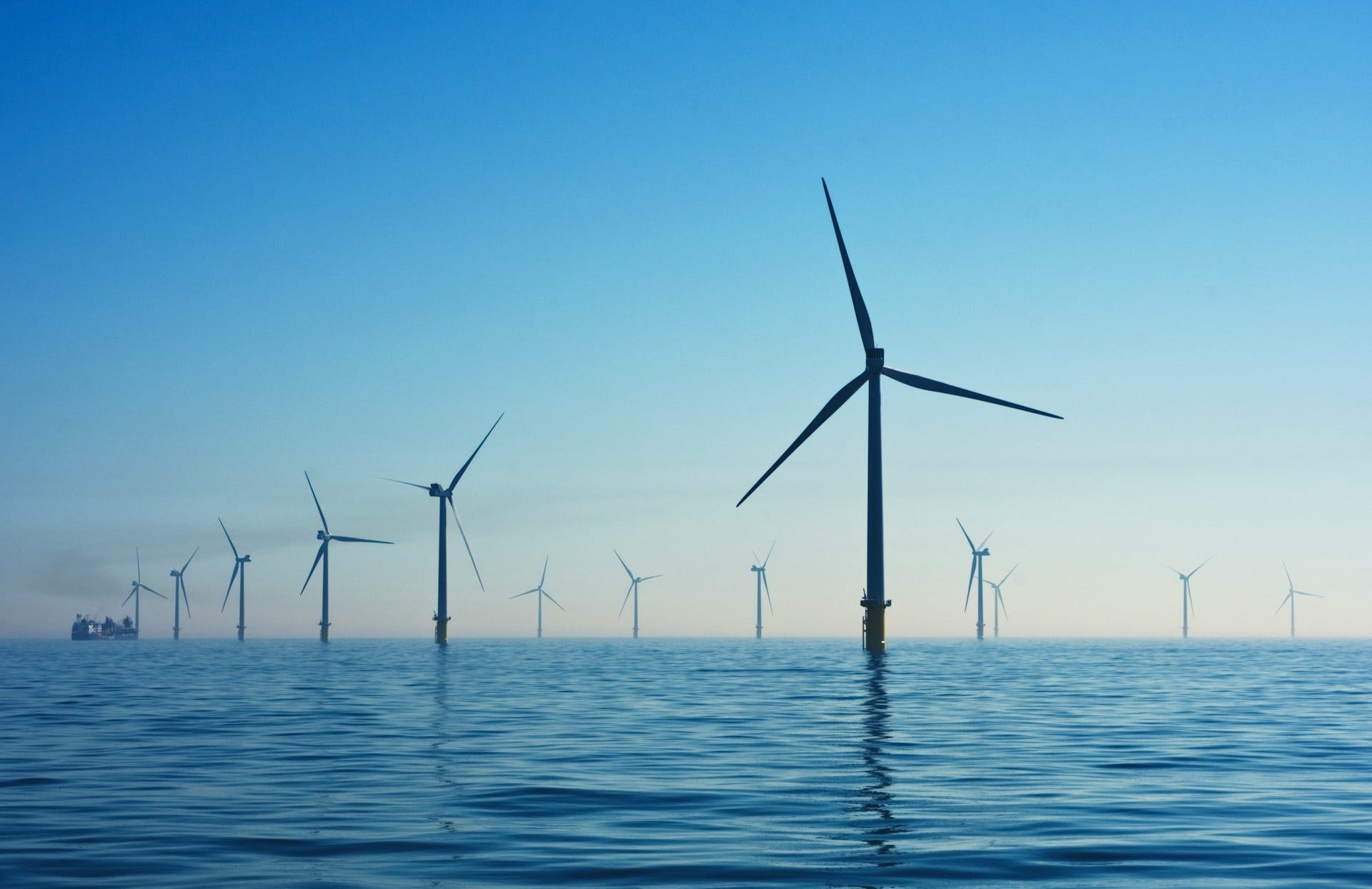
But the CCC analysis suggests that replacing fossil fuels with domestic renewable power—particularly wind and solar—could dramatically reduce those risks.
Electricity generated from renewables is already far cheaper than gas-fired power in many cases, and once infrastructure is built the fuel itself is effectively free.
As a result, a future energy system powered largely by renewables could mean lower and more stable bills for households, rather than the dramatic price spikes seen in recent years.
Housing and health
The transition would also involve widespread improvements to Britain’s notoriously inefficient housing stock, including better insulation and the rollout of low-carbon heating such as heat pumps.
While there are upfront costs, the CCC says these measures could ultimately cut energy consumption in homes, meaning families spend less keeping their houses warm.
The report also highlights a range of “co-benefits” that could translate into financial gains for the wider public.
Cleaner air from reduced fossil-fuel use could lead to fewer health problems linked to pollution. Warmer homes could cut illness linked to cold and damp. And shifts towards walking, cycling and cleaner transport could reduce pressure on the NHS.
Taken together, these improvements could save the UK billions of pounds in health and economic costs each year, according to the analysis.
Green roadmap
The Seventh Carbon Budget itself maps out how Britain can continue cutting emissions through the late 2030s and early 2040s, keeping the country on track for its 2050 climate target.
Key changes are expected to include electric cars replacing petrol and diesel vehicles, low-carbon heating in homes, and a power grid dominated by renewable energy.
Crucially, the CCC stresses that many of these technologies are already becoming cheaper and more widely available.
For households worried about the cost of going green, the message from the watchdog is clear: the price of doing nothing could be far higher.
In the long run, moving to a cleaner energy system may not just help protect the climate: it could also help protect the family finances.
But if there is any chance of such a green transition, the government will need to implement policies that enable ordinary people to afford it today without waiting for benefits in the future.