


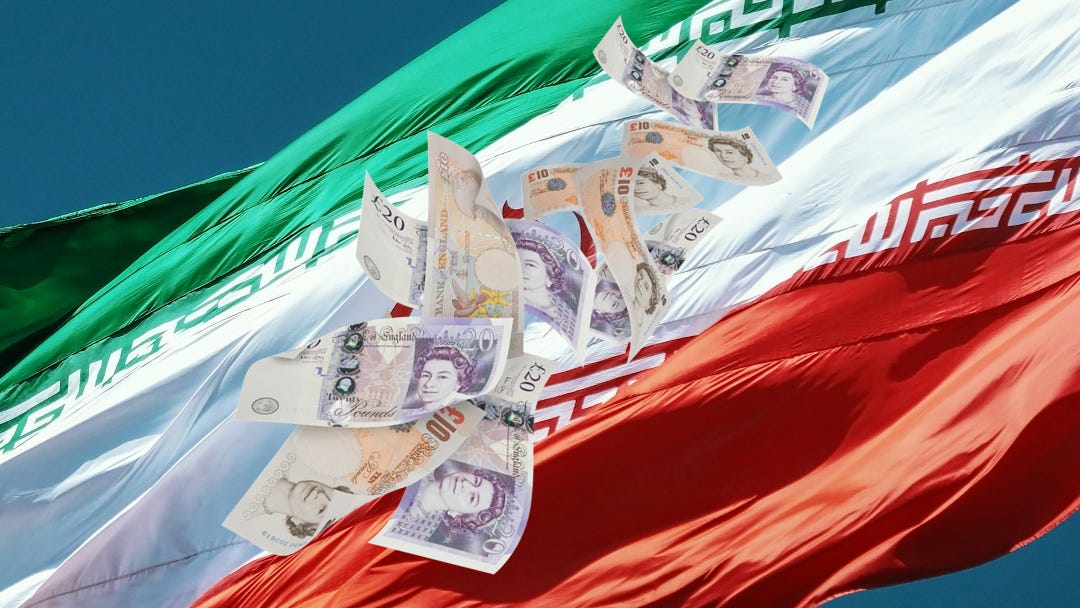
Hundreds of thousands of households already struggling with sky-high energy and fuel costs could be in for an even worse shock, critics warned yesterday as 40 of Britain’s most high-profile civil society groups demanded the Chancellor squeeze more tax from corporate giants cashing in on the US-Israeli war on Iran.
Campaign groups unite
In a blistering joint letter to Keir Starmer and Rachel Reeves, unions, campaigners and charities including the National Education Union, Tax Justice UK, Greenpeace UK, 38 Degrees, Global Witness, Women’s Budget Group and Patriotic Millionaires UK have called for far tougher taxes on excess profits.
The coalition said many firms are on course for “windfall revenues” as a result of the economic chaos triggered by the conflict in the Middle East, and that it would be a “turning point for the UK” to seize that cash and use it to help ordinary families battered by the cost-of-living crisis.
At a time when households are already feeling the pinch from rising energy bills, soaring fuel costs and ever-higher prices for everyday essentials, the letter’s signatories said it was simply not acceptable for corporations to rake in eye-watering profits.
‘Rich get richer while everyone else foots the bill’
Faiza Shaheen, Executive Director of Tax Justice UK, poured scorn on successive Governments for failing to keep corporate greed in check. She said: “Too often UK governments have failed to protect households and small businesses from the profiteering corporates and super-rich individuals who circle around crises like vultures”.
Ms Shaheen added that other countries had moved faster to shield ordinary citizens. “Spain has already frozen rents, yet our government fails to show urgency… this will not be yet another crisis where the rich get richer, while everyone else foots the bill”.
New data cited in the letter suggests some North Sea energy firms are already looking at “extra profits”, banks could pocket more revenue as mortgage costs rise and even big agricultural and defence contractors are posting record returns thanks to the global disruption.
Oil giants under fire
Areeba Hamid of Greenpeace UK did not pull her punches, warning that Britain’s reliance on fossil fuels was lining the pockets of oil executives at the expense of hard-pressed families. She said: “The oil-majors are set to make gargantuan profits from global instability while ordinary people pay the price of Trump’s war in Iran”.
Ms Hamid dismissed calls to relax windfall taxes on oil firms as a “slap in the face” to those struggling with energy bills and insisted that “the fossil fuel industry should be contributing more tax, not less”.
A ‘fair tax’ for tough times
Among the measures proposed by the alliance is a beefed-up tax on excess profits from North Sea oil and gas companies and a new levy on UK bank profits that are seen as being boosted by higher costs for consumers. They also want special levies on defence firms, big agribusiness and AI and Big Tech companies expected to benefit from the war’s economic ripple effects.
Simon Francis, Coordinator of the End Fuel Poverty Coalition, warned the disruption to gas prices had already pushed household bills to “elevated levels” and urged the Government to act now to protect families: “The Government must act urgently to protect households from the impact of rising prices and ensure that the billions in excess profits energy companies are making … are redirected to support the people who need it most”.
Conor O’Shea of Cost of Living Action added that politicians’ pledges to tackle profiteering “must now be matched by decisive action”. He said a tax on excess profits was “a fair and necessary step to rein in corporate greed and prevent the cost of essentials from spiralling further.”
The coalition insisted that the Government has a narrow window to stop profiteering before prices climb further and households are pushed to breaking point. With public anger mounting, campaigners said ministers can no longer ignore calls for a tougher approach to corporate excess.