


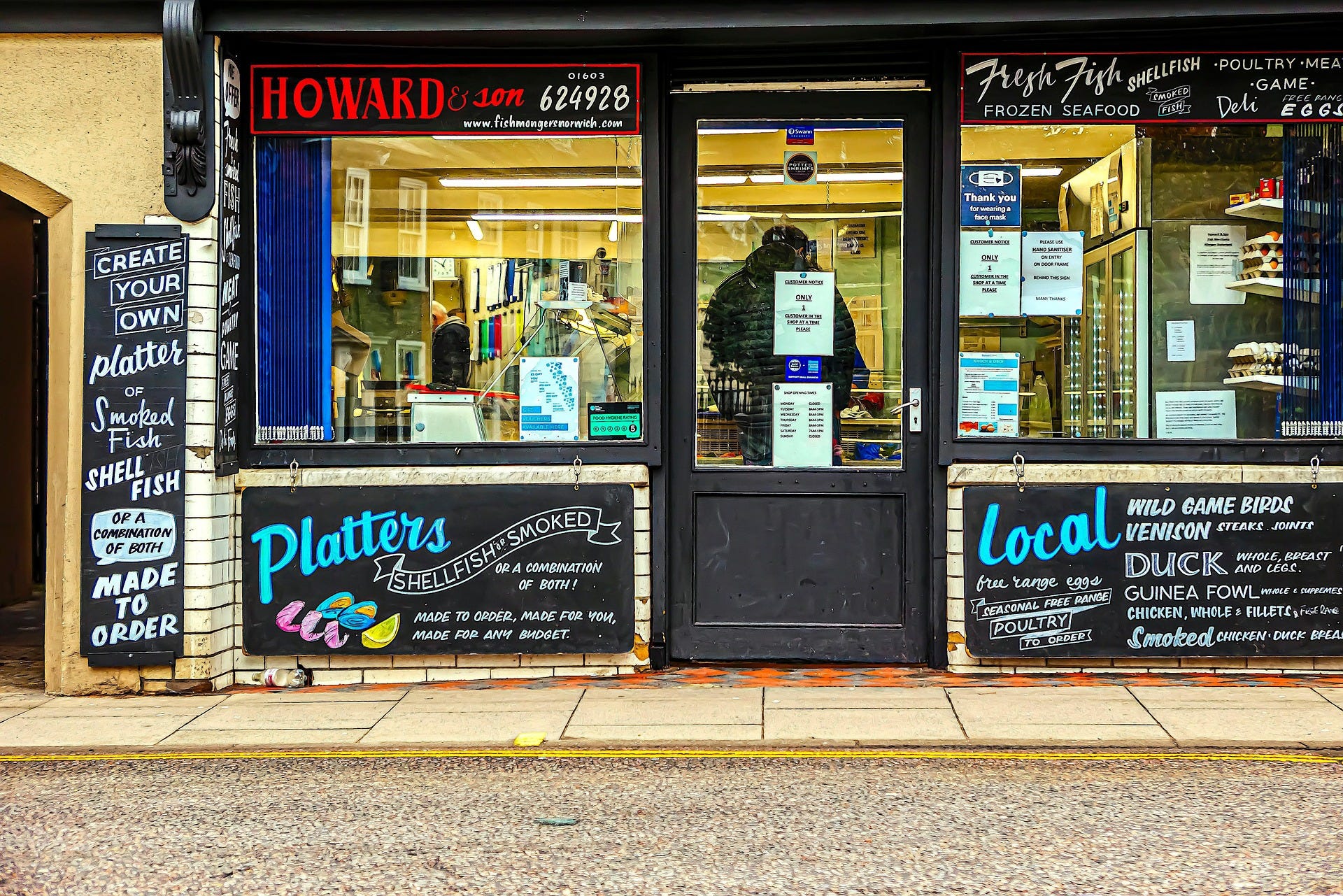
Britain’s neighbourhoods have taken a battering over the past few decades. Local parades once full of life have too often slipped into decline, with shops and services that are either closing down or resulting in unhealthy outcomes for locals. But a new report shows that across the country, communities are quietly fighting back—and winning.
A major new study by the Independent Commission on Neighbourhoods (ICON), Pride in Parades II, reveals how local people, community organisations and social enterprises are transforming neglected neighbourhood shopping parades into places of connection, opportunity and pride.
And the message is clear: when communities are trusted and supported, change happens.
Small streets matter more than ever
While politicians obsess over city centres, the ICON report turns the spotlight on the streets where everyday life unfolds—the local parade of shops, the cafés, the places where neighbours meet and communities are built.
These neighbourhood parades aren’t just retail units. They are social infrastructure—spaces that reduce isolation, support wellbeing and create a sense of belonging. When they work well, communities are stronger. When they fail, people feel left behind.
The report shows that reviving these places isn’t about glossy regeneration schemes. It’s about recognising their social value—and backing the people already embedded in them.
People power over politics
Across the case studies highlighted by ICON, one theme stands out: success starts locally.
In places like Poplar in east London, Hendon in Sunderland and Treorchy in Wales, community organisations took the initiative rather than waiting for outside rescue. These groups expanded their missions beyond housing, culture or regeneration and stepped into the role of neighbourhood champions.
By working directly with traders, landlords and residents, they reshaped local parades to reflect community needs—not just market forces.
Four moves that turned things around
ICON identifies four practical strategies that made the difference:
Seize the initiative: Local organisations stepped in to actively manage and shape their parades rather than leaving them to decline.
Curate the retail mix: Instead of endless takeaways or empty units, communities attracted businesses that added social value and met local needs.
Bridge community organisations and traders: Traders, residents and organisers worked together, building trust and shared purpose.
Activate the area: Events, pop-ups and simple rebranding restored footfall — and pride.
These weren’t flashy gestures. They were practical, people-focused actions that delivered real results.
A brighter future—built from the ground up
What makes Pride in Parades II such a hopeful read is its central lesson: neighbourhood renewal doesn’t need grand promises or top-down control. It needs local knowledge, patient investment and belief in communities.
The report shows that when neighbourhoods are treated as places worth caring about—not problems to be managed—people respond with energy, creativity and commitment.
At a time when many feel overlooked, these stories prove that Britain’s neighbourhoods still have fight in them. Pride isn’t imposed from above. It’s built, shop by shop and street by street, by people who refuse to give up on the places they call home.