


You did not ask for any of this. One day artificial intelligence was a thing in films. The next it was deciding whether your CV ever got read, what you pay for your insurance, and how long you wait to see a doctor. Nobody knocked on your door to ask permission. It just arrived.
And here is the thing the people in power keep missing. Britain is not split down the middle on AI. We have already made up our minds. A major new study from the research group Diffusion, drawing on a survey of nearly 3,000 of us and focus groups across the country, found a public that is worried, watchful, and clear about what it wants.
Sixty-nine per cent of us are concerned about where AI is heading. Just 19 per cent are excited. Two thirds say it is moving too fast. Almost nobody thinks it is too slow.
Not us: just the billionaires
But scratch the surface and this is not really about robots or science fiction. It is about fairness. Sixty-eight per cent of people believe AI will mainly line the pockets of the wealthiest households and big corporations. Only one in ten think working people and ordinary families will see the benefit. As one woman in the study put it plainly when asked who wins: “Not us. Just the billionaires.”
That feeling runs deep because people can already see it in their own lives. The same clever systems that promise progress are being used to jack up your prices, filter you out of a job before a human ever sees your name, and squeeze more out of services while the people who run them pay fewer wages. One participant described the playbook exactly: get ordinary people hooked on the technology, then cut corners so the firms do not have to pay anyone’s salary, and pocket the difference.
So when the government talks about “charting a responsible course” and a “journey” into the AI age, it is speaking a language the public simply does not use. People are not picturing a gentle path forward. They are asking a much harder question: who is this actually for, and who is being left to pick up the bill?
What the country actually wants
Here is the good news, and it is genuinely good. There is already a settled public view waiting to be acted on. Eighty-five per cent of us want strong laws to make AI safe and secure. Only 10 per cent are happy to trust the companies to police themselves. That is not a narrow, contested debate. It is one of the clearest things this study found, and it holds across every type of person it spoke to.
People want a strong, independent watchdog with real teeth, able to test these systems, inspect them, and switch off the dangerous ones. They want British creators paid for the work that gets fed into these machines, not robbed of it. They want ordinary working people to have a proper seat at the table when decisions are made about their livelihoods. And they want it made plainly, so families are not stitched up by powerful firms acting in secret.
What they do not want is more reassuring noise from people who seem a little too comfortable with the very companies they are meant to be keeping in check.
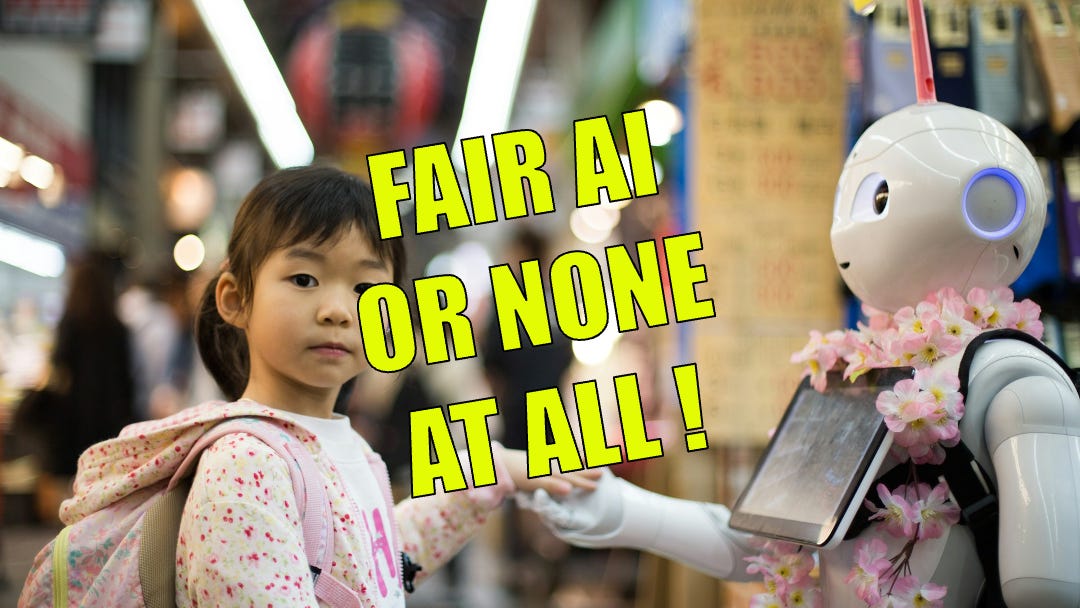
Fair AI or none at all
The message could not be simpler. People are not against this technology. They are against being treated as an afterthought by it. Britain will welcome AI gladly, but only on one condition: that it is fair, that it is safe, and that it works for ordinary people rather than against them.